Reading › N4 › 秋の夕方は、交通事故に注意して
秋の夕方は、交通事故に注意して
Written for learners with AI assistance, based on: 警察庁 · original source ↗
In the reader you can tap any word to see its reading, meaning and JLPT level, save the ones you don't know, and quiz yourself on them.
Open in the reader9月21日から30日まで、日本中で、秋の「交通安全運動」がありました。警察庁によると、交通事故で亡くなる人は、秋から年の終わりにかけて増えます。
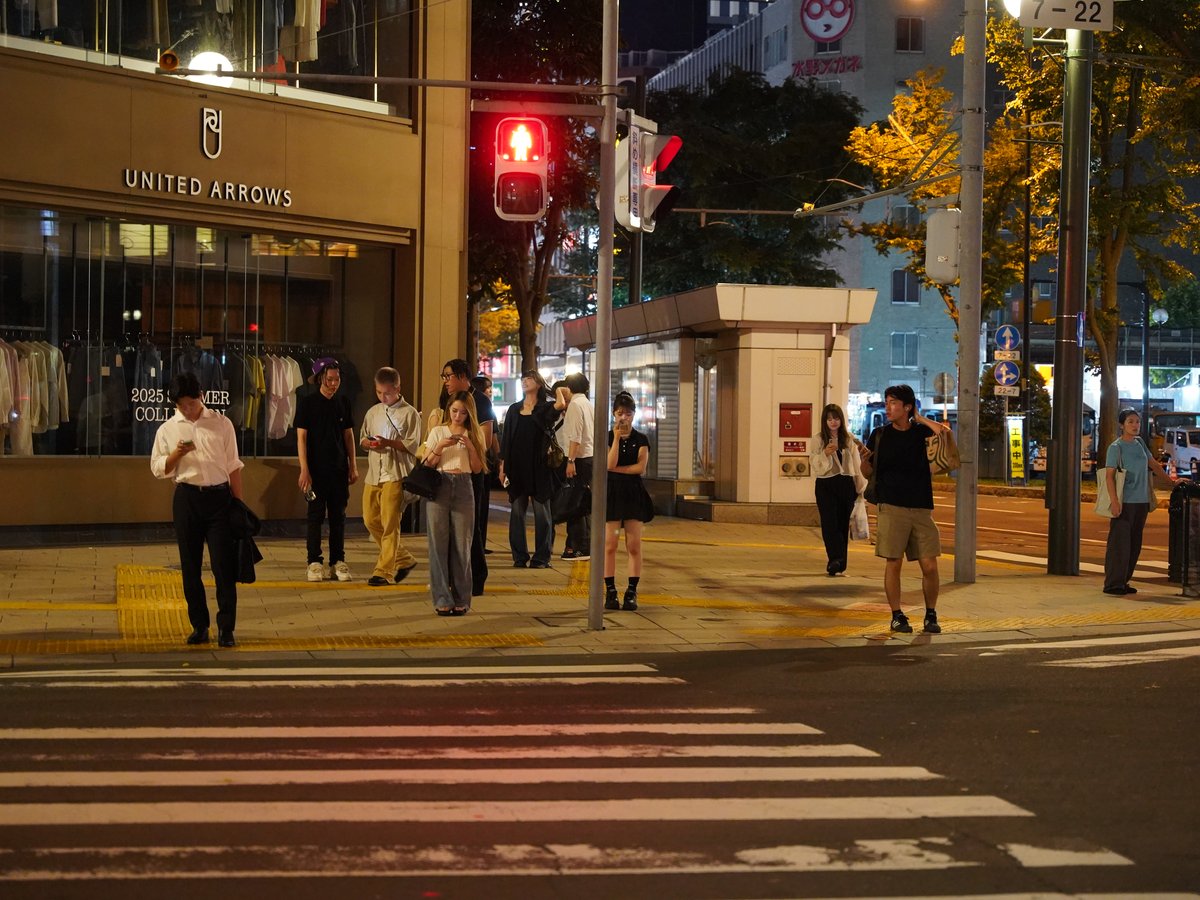
特にあぶないのは、夕方です。秋は、日が早く暮れます。仕事や学校から帰る時間には、外はもう暗くなっています。
警察庁は、これまでの5年間の事故を調べました。日が暮れる前と後の1時間に、人が亡くなった事故は、7月から9月は348件でした。しかし、10月から12月は589件で、1.7倍ぐらいになりました。
夕方の、車と歩いている人の事故は、もっと増えます。10月から12月は、7月から9月の2.0倍ぐらいです。決められた所ではない所で、道をわたっていた人が多かったです。
歩いているときに、事故で亡くなったり、大きなけがをしたりする人は、子どもは10月に、お年寄りは12月にいちばん多いです。
車を運転する人は、夕方は早めにライトをつけましょう。歩く人は、光る物をつけると、車から見えやすくなります。道をわたるときは、決められた所をわたりましょう。
Words in this article
The 35 words at JLPT N4 or above, and the specialist words that are on no JLPT list.
| Word | Reading | Meaning | JLPT |
|---|---|---|---|
| 交通 | こうつう | traffic | N4 |
| 事故 | じこ | accident | N4 |
| 安全 | あんぜん | safety | N4 |
| 運動 | うんどう | campaign; movement | N4 |
| 亡くなる | なくなる | to die; to pass away | N4 |
| 増えます | ふえます | increase (polite of 増える) | N4 from 増える |
| 特に | とくに | especially | N4 |
| なっています | has become | Not on JLPT lists | |
| これまで | until now; so far | Not on JLPT lists | |
| 調べました | しらべました | investigated; looked into | N4 from 調べる |
| 亡くなった | なくなった | died (past of 亡くなる) | N4 from 亡くなる |
| ではない | is not | Not on JLPT lists | |
| わたっていた | was crossing | Not on JLPT lists | |
| とき | when; time | Not on JLPT lists | |
| 亡くなったり | なくなったり | dying, and so on (~たり) | N4 from 亡くなる |
| けが | injury | N4 | |
| したりする | doing (things like ...) | Not on JLPT lists | |
| 子ども | こども | child; children | Not on JLPT lists |
| お年寄り | おとしより | elderly people | Not on JLPT lists |
| 運転する | うんてんする | to drive | N4 from 運転 |
| 早め | はやめ | early; in good time | Not on JLPT lists |
| ライト | lights; headlights | Not on JLPT lists | |
| つけましょう | let's turn on / put on | Not on JLPT lists | |
| 光る | ひかる | to shine; to reflect light | N4 |
| つける | to put on; to wear | Not on JLPT lists | |
| わたる | to cross | Not on JLPT lists | |
| 見えやすく | みえやすく | easy to see (見える + ~やすい) | Not on JLPT lists |
| 日本中 | にほんじゅう | all over Japan | Not on JLPT lists |
| 暮れます | くれます | (the day) gets dark (polite of 暮れる) | N4 from 暮れる |
| 暮れる | くれる | (the day) to get dark; (the sun) to set | N4 |
| 注意して | ちゅういして | be careful (of) (from 注意する) | N4 from 注意 |
| 注意 | ちゅうい | care; caution (注意する = to be careful) | N4 |
| 終わり | おわり | the end (年の終わり = the end of the year) | N4 |
| 決められた | きめられた | set; designated (passive of 決める) | N4 from 決める |
| わたりましょう | let's cross (from わたる) | Not on JLPT lists |
37 more words from lower levels, plus names, numbers and grammar
| Word | Reading | Meaning | JLPT |
|---|---|---|---|
| 秋 | あき | autumn; fall | N5 |
| 夕方 | ゆうがた | evening; dusk | N5 |
| ありました | there was; took place | N5 from ある | |
| 警察庁 | けいさつちょう | National Police Agency | Name |
| によると | according to | Grammar | |
| にかけて | through; over (a period) | Grammar | |
| あぶない | dangerous | N5 | |
| 早く | はやく | early (from 早い) | N5 from 早い |
| 仕事 | しごと | work; job | N5 |
| 学校 | がっこう | school | N5 |
| 帰る | かえる | to go home; to return | N5 |
| 時間 | じかん | time | Number |
| 外 | そと | outside | N5 |
| もう | already | N5 | |
| 暗く | くらく | dark (from 暗い) | N5 from 暗い |
| 5年間 | ごねんかん | (a period of) five years | Number |
| 前 | まえ | before | N5 |
| 後 | あと | after | N5 |
| 1時間 | いちじかん | one hour | Number |
| 348件 | さんびゃくよんじゅうはっけん | 348 (cases) | Number |
| しかし | however; but | N5 | |
| 589件 | ごひゃくはちじゅうきゅうけん | 589 (cases) | Number |
| 1.7倍 | いってんななばい | 1.7 times | Number |
| なりました | became | N5 from なる | |
| 車 | くるま | car | N5 |
| 歩いている | あるいている | walking | N5 from 歩く |
| もっと | more | N5 | |
| 2.0倍 | にてんれいばい | 2.0 times | Number |
| 所 | ところ | place | N5 |
| 道 | みち | road; street | N5 |
| 多かった | おおかった | there were many (past of 多い) | N5 from 多い |
| 大きな | おおきな | big; serious | N5 |
| いちばん | the most | N5 | |
| 多い | おおい | many; a lot | N5 |
| 歩く | あるく | to walk | N5 |
| ぐらい | about; around | Grammar | |
| 物 | もの | thing (光る物 = something that shines, a reflector) | N5 |
Questions
Try answering in Japanese, then open the answer to check yourself. In the reader, your answers and score are saved.
- 交通事故で亡くなる人は、いつごろ増えますか。
Show answer
秋から年の終わりにかけて増えます。
They increase from autumn through the end of the year.
- 秋の夕方が特にあぶないのは、どうしてですか。
Show answer
秋は日が早く暮れるので、仕事や学校から帰る時間には、外はもう暗くなっているからです。
Because in autumn the sun sets early, so it is already dark outside when people go home from work or school.
- 日が暮れる前と後の1時間に人が亡くなった事故は、7月から9月と10月から12月で、それぞれ何件でしたか。
Show answer
7月から9月は348件で、10月から12月は589件でした。
There were 348 from July to September and 589 from October to December.
- 歩いているときの事故は、子どもとお年寄りで、それぞれ何月がいちばん多いですか。
Show answer
子どもは10月に、お年寄りは12月にいちばん多いです。
For children it is highest in October, and for elderly people in December.
- 夕方に事故にあわないために、あなたはどのようなことに注意しますか。
Example answer
わたしは、夕方は明るい色の服を着て、決められた所で道をわたるようにします。
In the evening I wear bright-colored clothes and make sure to cross at crosswalks.
If you're new to Japanese, the Textbook teaches it step by step from zero. If you can't read kana yet, start with Starter.
Start from zero Lesson 1 (N5)More N4 reading
- 11月の朝の空で、火星と木星が近くに見えます 2026年10月29日
- 九州の北で、雨が少ない日が続いています 2026年10月28日
- 黒部のトロッコ電車が、また欅平まで走ります 2026年10月27日
- 駅での「歩きスマホ」を、やめましょう 2026年10月26日
- 中古の物を、もっと上手に使いましょう 2026年10月25日
- 1300年前の宝物を、奈良で見ることができます 2026年10月24日