Reading › N4 › 今年の夏、熱中症で運ばれた人は、去年より少なくなりました
今年の夏、熱中症で運ばれた人は、去年より少なくなりました
Written for learners with AI assistance, based on: 総務省消防庁 · original source ↗
In the reader you can tap any word to see its reading, meaning and JLPT level, save the ones you don't know, and quiz yourself on them.
Open in the reader夏の暑い日には、「熱中症」になる人がいます。体が熱くなりすぎて、気分が悪くなったり、たおれたりする病気です。
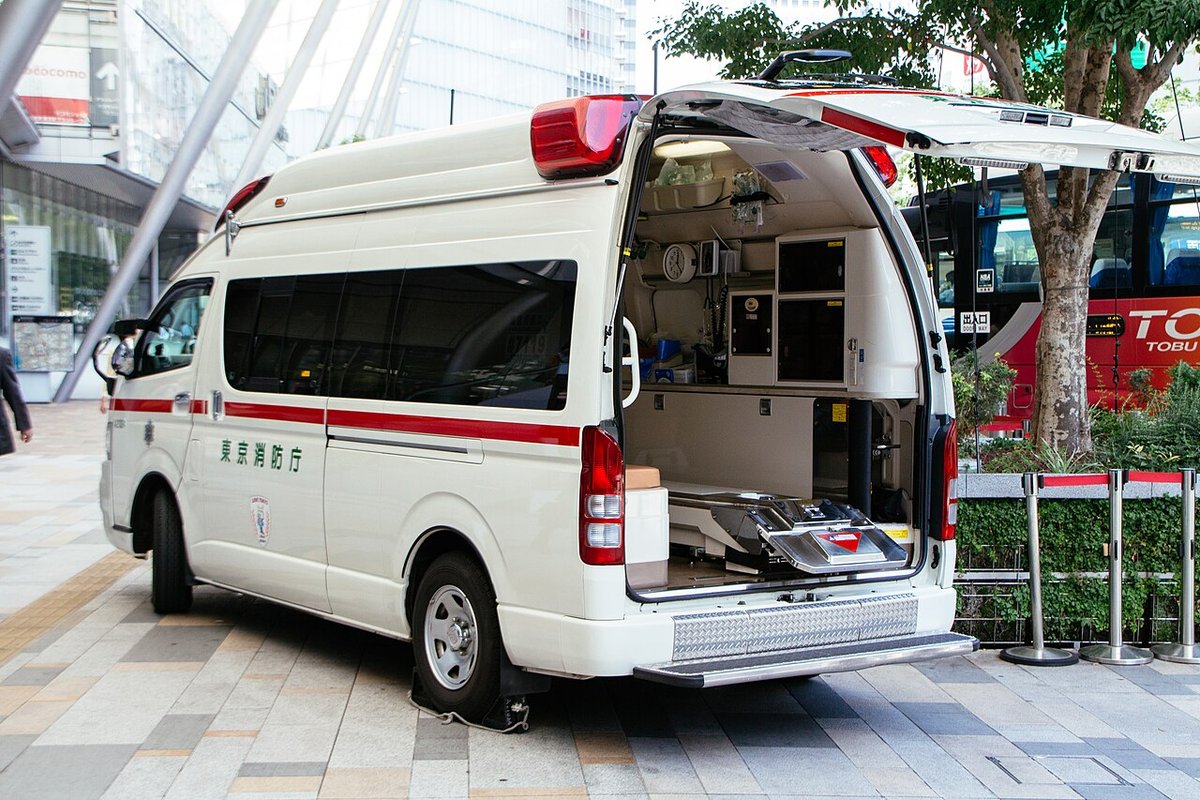
総務省消防庁によると、今年の5月1日から9月27日までに、熱中症で病院に運ばれた人は、7万7442人でした。去年の同じ間は、10万350人でしたから、少なくなりました。
運ばれた人の59.7%は、65歳以上のお年寄りでした。お年寄りは、暑さに気がつきにくいので、特に注意が必要です。
熱中症になった場所を見ると、いちばん多かったのは家の中で、39.6%でした。道の20.7%より多いです。外だけでなく、家の中でも熱中症になるのです。
9月21日から27日までの1週間に運ばれた人は、441人でした。去年の同じ1週間は644人でした。暑い日は、だんだん少なくなっています。
でも、来年の夏も、きっと暑くなるでしょう。家の中にいるときも、水をよく飲んだり、エアコンを使ったりして、体が熱くなりすぎないようにすることが必要です。
Words in this article
The 19 words at JLPT N4 or above, and the specialist words that are on no JLPT list.
| Word | Reading | Meaning | JLPT |
|---|---|---|---|
| 熱中症 | ねっちゅうしょう | heatstroke; heat illness | Not on JLPT lists |
| 運ばれた | はこばれた | was carried; was taken (passive past of 運ぶ) | N4 from 運ぶ |
| なりすぎて | becoming too (hot), and ... | Not on JLPT lists | |
| 気分 | きぶん | feeling; mood | N4 |
| なったり | becoming, and so on | Not on JLPT lists | |
| たおれたり | collapsing, and so on | Not on JLPT lists | |
| お年寄り | おとしより | elderly people | Not on JLPT lists |
| 気がつきにくい | きがつきにくい | hard to notice | Not on JLPT lists |
| 特に | とくに | especially | N4 |
| 場所 | ばしょ | place | N4 |
| 少なくなっています | すくなくなっています | are becoming fewer | Not on JLPT lists |
| きっと | surely | N4 | |
| なるでしょう | will probably become | Not on JLPT lists | |
| とき | when; time | Not on JLPT lists | |
| エアコン | air conditioner | Not on JLPT lists | |
| 間 | あいだ | period; the same span of time | N4 |
| 必要 | ひつよう | necessary | N4 |
| 注意 | ちゅうい | care; caution (注意が必要 = you need to be careful) | N4 |
| なりすぎない | not become too (hot) (from なりすぎる) | Not on JLPT lists |
48 more words from lower levels, plus names, numbers and grammar
| Word | Reading | Meaning | JLPT |
|---|---|---|---|
| 今年 | ことし | this year | N5 |
| 夏 | なつ | summer | N5 |
| 去年 | きょねん | last year | N5 |
| より | than | Grammar | |
| 少なく | すくなく | few; fewer (from 少ない) | N5 from 少ない |
| なりました | became (polite past of なる) | N5 from なる | |
| 暑い | あつい | hot (weather) | N5 |
| なる | to become | N5 | |
| います | there are (people) | Grammar | |
| 体 | からだ | body | N5 |
| 熱く | あつく | hot (from 熱い, for things and bodies) | N5 from 熱い |
| 悪く | わるく | bad (from 悪い; 気分が悪くなる = to feel sick) | N5 from 悪い |
| 病気 | びょうき | illness | N5 |
| 総務省消防庁 | そうむしょうしょうぼうちょう | Fire and Disaster Management Agency | Name |
| によると | according to | Grammar | |
| までに | by; up to (a date) | Grammar | |
| 病院 | びょういん | hospital | N5 |
| でした | was (polite past) | Grammar | |
| 同じ | おなじ | same | N5 |
| から | so; because | Grammar | |
| 65歳以上 | ろくじゅうごさいいじょう | aged 65 or over | Number |
| 暑さ | あつさ | heat | N5 from 暑い |
| ので | because; so | Grammar | |
| 見ると | みると | when you look at | N5 from 見る |
| いちばん | the most | N5 | |
| 多かった | おおかった | were many; was the most (past of 多い) | N5 from 多い |
| 家 | いえ | house; home | N5 |
| 中 | なか | inside | N5 |
| 多い | おおい | many; a lot | N5 |
| 外 | そと | outside | N5 |
| だけでなく | not only | Grammar | |
| のです | it is that ... (explanation) | Grammar | |
| まで | until | Grammar | |
| 1週間 | いっしゅうかん | one week | Number |
| だんだん | gradually | N5 | |
| でも | but | N5 | |
| 来年 | らいねん | next year | N5 |
| 暑く | あつく | hot (from 暑い) | N5 from 暑い |
| いる | to be (somewhere) | Grammar | |
| 水 | みず | water | N5 |
| よく | often; well | N5 | |
| 飲んだり | のんだり | drinking, and so on | N5 from 飲む |
| 使ったり | つかったり | using, and so on | N5 from 使う |
| こと | thing; (doing) something | Grammar | |
| 道 | みち | street; road | N5 |
| ように | so that (〜ないようにする = to make sure not to) | Grammar | |
| して | doing, and ... (from する) | Grammar | |
| する | to do (注意する = to be careful) | N5 |
Questions
Try answering in Japanese, then open the answer to check yourself. In the reader, your answers and score are saved.
- 熱中症は、どのような病気ですか。
Show answer
体が熱くなりすぎて、気分が悪くなったり、たおれたりする病気です。
An illness where the body gets too hot and you feel sick or collapse.
- 今年の5月1日から9月27日までに、熱中症で運ばれた人は何人でしたか。去年とくらべて、どうでしたか。
Show answer
7万7442人でした。去年の同じ間は10万350人でしたから、少なくなりました。
77,442 people. That is fewer than the 100,350 at the same time last year.
- 運ばれた人の中で、いちばん多かったのは、どのような人たちですか。
Show answer
65歳以上のお年寄りです。運ばれた人の59.7%でした。
Elderly people aged 65 or over: 59.7% of those taken to the hospital.
- 熱中症になった場所で、いちばん多かったのはどこですか。それは、なぜ大切なことですか。
Show answer
家の中で、39.6%でした。外だけでなく、家の中でも熱中症になるからです。
Inside the home, at 39.6%. It matters because you can get heatstroke indoors, not only outside.
- 家の中で熱中症にならないために、何をしたらいいですか。
Show answer
水をよく飲んだり、エアコンを使ったりして、体が熱くなりすぎないようにすることが必要です。
Drink plenty of water and use the air conditioner, so that your body does not get too hot.
- あなたの国では、夏の暑さに注意するために、どのようなことをしますか。
Example answer
わたしの国では、帽子をかぶったり、水をたくさん飲んだりします。
In my country, people wear hats and drink lots of water.
If you're new to Japanese, the Textbook teaches it step by step from zero. If you can't read kana yet, start with Starter.
Start from zero Lesson 1 (N5)More N4 reading
- 11月の朝の空で、火星と木星が近くに見えます 2026年10月29日
- 九州の北で、雨が少ない日が続いています 2026年10月28日
- 黒部のトロッコ電車が、また欅平まで走ります 2026年10月27日
- 駅での「歩きスマホ」を、やめましょう 2026年10月26日
- 中古の物を、もっと上手に使いましょう 2026年10月25日
- 1300年前の宝物を、奈良で見ることができます 2026年10月24日