Reading › N3 › クマの被害が過去最多に、死者は13人
クマの被害が過去最多に、死者は13人
Written for learners with AI assistance, based on: 環境省の発表(2025年度・速報値) · original source ↗
In the reader you can tap any word to see its reading, meaning and JLPT level, save the ones you don't know, and quiz yourself on them.
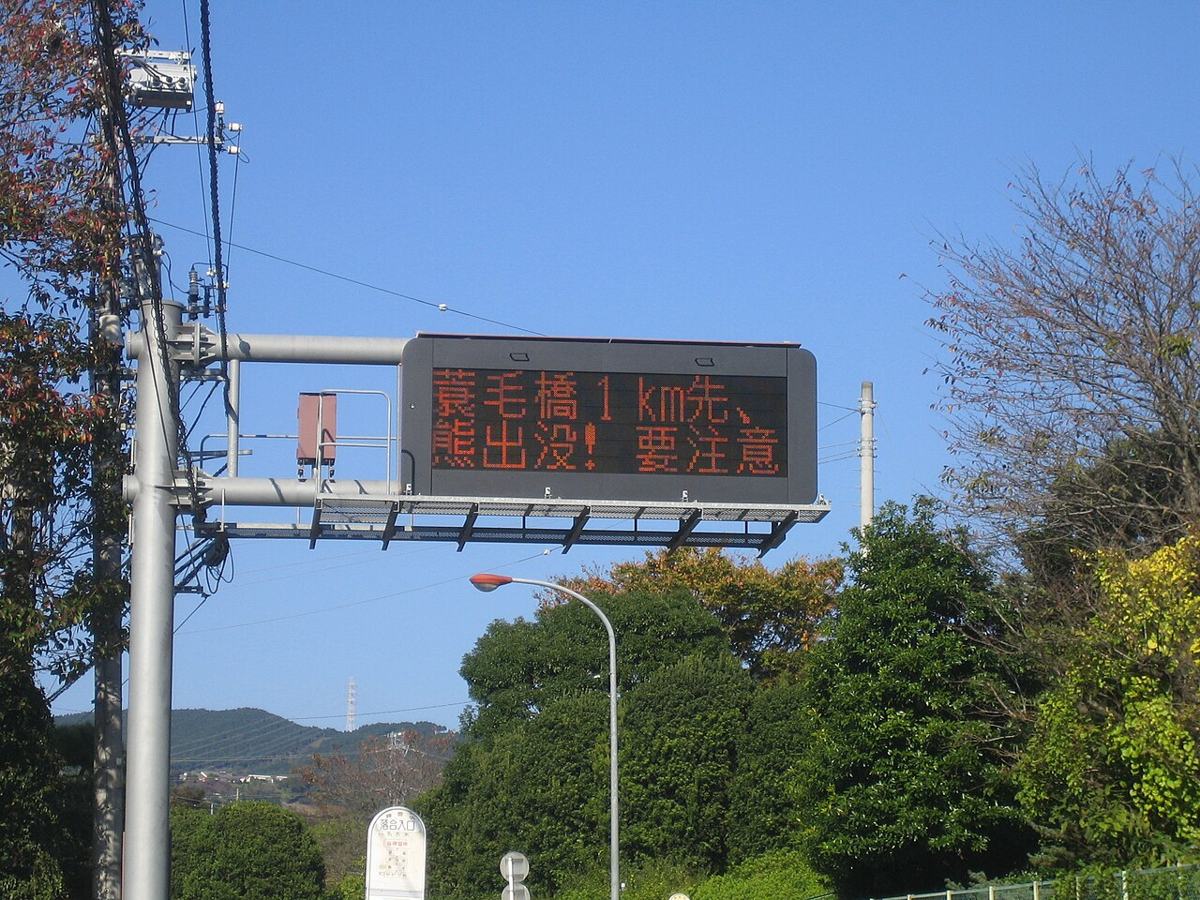
Open in the readerクマに攻撃されてけがをしたり、亡くなったりする人が増えている。環境省によると、2025年度の被害者は全国で238人で、過去最多だった。このうち13人が亡くなった。
これまでで最も多かったのは2023年度の219人(死者6人)で、今回はそれよりずっと多かった。
都道府県別では、秋田県が67人で最も多く、岩手県が40人、福島県が24人と続いた。東北地方の6県を合わせると158人で、全体の6割より多い。
月別に見ると、10月が89人で特に多い。クマは冬に長く眠る前にたくさん食べる必要があり、秋に盛んに動くからだ。
被害が増えた理由として、山のドングリなどの木の実が不作だったことが考えられている。食べ物を探して、クマが人の住む場所まで下りてくるようになった。
また、地方では人口が減り、山と町の間にある畑や林を管理する人が少なくなった。その結果、クマと人の生活する場所が近くなっている。
2025年度に捕まったクマは1万4720頭で、これも過去最多だった。しかし、ハンターはお年寄りが多くなり、数が減っている。人とクマが同じ土地でどう生きていくのか、新しい方法が求められている。
Words in this article
The 36 words at JLPT N3 or above, and the specialist words that are on no JLPT list.
| Word | Reading | Meaning | JLPT |
|---|---|---|---|
| クマ | bear | Not on JLPT lists | |
| 被害者 | ひがいしゃ | victim | Not on JLPT lists |
| 被害 | ひがい | damage; harm | N3 |
| 過去最多 | かこさいた | record high (number) | Not on JLPT lists |
| 死者 | ししゃ | the dead; fatalities | Not on JLPT lists |
| 全国 | ぜんこく | the whole country | N3 |
| 今回 | こんかい | this time | N3 |
| 都道府県別 | とどうふけんべつ | by prefecture | Not on JLPT lists |
| 東北地方 | とうほくちほう | the Tohoku region | Not on JLPT lists |
| 県 | けん | prefecture | N3 |
| 合わせる | あわせる | to add together | N3 |
| 全体 | ぜんたい | the whole | N3 |
| 月別 | つきべつ | by month | Not on JLPT lists |
| ドングリ | acorn | Not on JLPT lists | |
| 木の実 | きのみ | nuts; tree fruit | Not on JLPT lists |
| 不作 | ふさく | poor harvest | Not on JLPT lists |
| 下りてくる | おりてくる | to come down | Not on JLPT lists |
| 地方 | ちほう | rural areas; the regions | N3 |
| 減り | へり | decreasing, and | Not on JLPT lists |
| 減っている | へっている | is decreasing | N3 from 減る |
| 畑 | はたけ | field (for crops) | N3 |
| 管理 | かんり | management; upkeep | N3 |
| 結果 | けっか | result | N3 |
| 近くなっている | ちかくなっている | is getting closer | Not on JLPT lists |
| 頭 | とう | counter for large animals | Not on JLPT lists |
| ハンター | hunter | Not on JLPT lists | |
| お年寄り | おとしより | elderly people | Not on JLPT lists |
| 多くなり | おおくなり | becoming more numerous, and | Not on JLPT lists |
| 数 | かず | number | N3 |
| 求められている | もとめられている | is being called for | N3 from 求める |
| 攻撃されて | こうげきされて | being attacked (from 攻撃する) | N3 from 攻撃 |
| ずっと | much (more) | N3 | |
| 捕まった | つかまった | were caught (from 捕まる) | N3 from 捕まる |
| 土地 | とち | land; area | N3 |
| 生きていく | いきていく | to go on living | Not on JLPT lists |
| 方法 | ほうほう | way; method | N3 |
43 more words from lower levels, plus names, numbers and grammar
| Word | Reading | Meaning | JLPT |
|---|---|---|---|
| 亡くなったり | なくなったり | dying, and so on | N4 from 亡くなる |
| 亡くなった | なくなった | died; passed away | N4 from 亡くなる |
| 増えている | ふえている | is increasing | N4 from 増える |
| 増えた | ふえた | increased | N4 from 増える |
| 環境省 | かんきょうしょう | Ministry of the Environment | Name |
| 最も | もっとも | most | N4 |
| 多かった | おおかった | was many; was the most | N5 from 多い |
| 多く | おおく | many (continuative) | N5 from 多い |
| 多い | おおい | many | N5 |
| 秋田県 | あきたけん | Akita Prefecture | Name |
| 岩手県 | いわてけん | Iwate Prefecture | Name |
| 福島県 | ふくしまけん | Fukushima Prefecture | Name |
| 続いた | つづいた | followed; continued | N4 from 続く |
| 割 | わり | tenths; 10 percent | Number |
| 見る | みる | to look; to see | N5 |
| 特に | とくに | especially | N4 |
| 前 | まえ | before | N5 |
| 食べる | たべる | to eat | N5 |
| 食べ物 | たべもの | food | N5 |
| 必要 | ひつよう | necessary; need | N4 |
| 秋 | あき | autumn | N5 |
| 動く | うごく | to move | N4 |
| 理由 | りゆう | reason | N4 |
| 山 | やま | mountain | N5 |
| 探して | さがして | searching for | N4 from 探す |
| 人口 | じんこう | population | N4 |
| 住む | すむ | to live | N5 |
| 場所 | ばしょ | place | N4 |
| 町 | まち | town | N5 |
| 間 | あいだ | between | N4 |
| 林 | はやし | woods | N4 |
| 少なくなった | すくなくなった | became fewer | N5 from 少ない |
| 生活 | せいかつ | living; daily life | N4 |
| 新しい | あたらしい | new | N5 |
| 近く | ちかく | near; nearby | N5 |
| 国 | くに | country | N5 |
| 冬 | ふゆ | winter | N5 |
| 長く | ながく | for a long time | N5 from 長い |
| 眠る | ねむる | to sleep | N4 |
| 盛んに | さかんに | actively; a lot | N4 from 盛ん |
| 考えられている | かんがえられている | is thought (to be) | N4 from 考える |
| 同じ | おなじ | same | N5 |
| 生きて | いきて | living (from 生きる) | N4 from 生きる |
Questions
Try answering in Japanese, then open the answer to check yourself. In the reader, your answers and score are saved.
- 2025年度に、クマの被害にあった人は何人でしたか。そのうち何人が亡くなりましたか。
Show answer
238人で、そのうち13人が亡くなりました。
238 people, of whom 13 died.
- 被害が最も多かったのは、どの地方ですか。全体のどのぐらいを占めていますか。
Show answer
東北地方です。6県を合わせて158人で、全体の6割より多いです。
Tohoku: 158 people across its six prefectures, more than 60% of the total.
- 10月に被害が特に多いのは、なぜですか。
Show answer
クマは冬に長く眠る前にたくさん食べる必要があり、秋に盛んに動くからです。
Bears need to eat a lot before hibernating, so they are very active in autumn.
- 被害が増えた理由として、どんなことが考えられていますか。二つ説明してください。
Show answer
山の木の実が不作で、クマが食べ物を探して人の住む場所まで下りてくるようになったことです。また、人口が減って、山と町の間の畑や林を管理する人が少なくなったことです。
Nuts like acorns were scarce, so bears came down to towns looking for food. And with fewer people in rural areas, the fields and woods between mountains and towns are no longer managed.
- クマを捕まえる人には、どんな問題がありますか。
Show answer
ハンターにお年寄りが多くなり、数が減っていることです。
Hunters are getting older and their numbers are falling.
- あなたの国では、山や森の動物と人の間にどんな問題がありますか。
Example answer
わたしの国では、シカが道に出て、車の事故が起きることがあります。
In my country, deer come onto roads and cause car accidents.
If you're new to Japanese, the Textbook teaches it step by step from zero. If you can't read kana yet, start with Starter.
Start from zero Lesson 1 (N5)More N3 reading
- 優れた技術を持つ39人が「東京マイスター」に 2026年10月29日
- 火事が増える季節の前に、火の使い方を確かめよう 2026年10月28日
- 毒きのこで食中毒、今年は早く起きた 2026年10月27日
- 多摩動物公園のチーター「コハク」が死んだ 2026年10月26日
- 家の中で、子どもの感電に注意 2026年10月25日
- 使った油を、燃料に変えて空へ 2026年10月24日