Reading › N2 › 住宅の着工、5か月連続で増加 大きく減った前年からの回復
住宅の着工、5か月連続で増加 大きく減った前年からの回復
Written for learners with AI assistance, based on: 国土交通省 · original source ↗
In the reader you can tap any word to see its reading, meaning and JLPT level, save the ones you don't know, and quiz yourself on them.
Open in the reader8月は前年同月比6.1%増
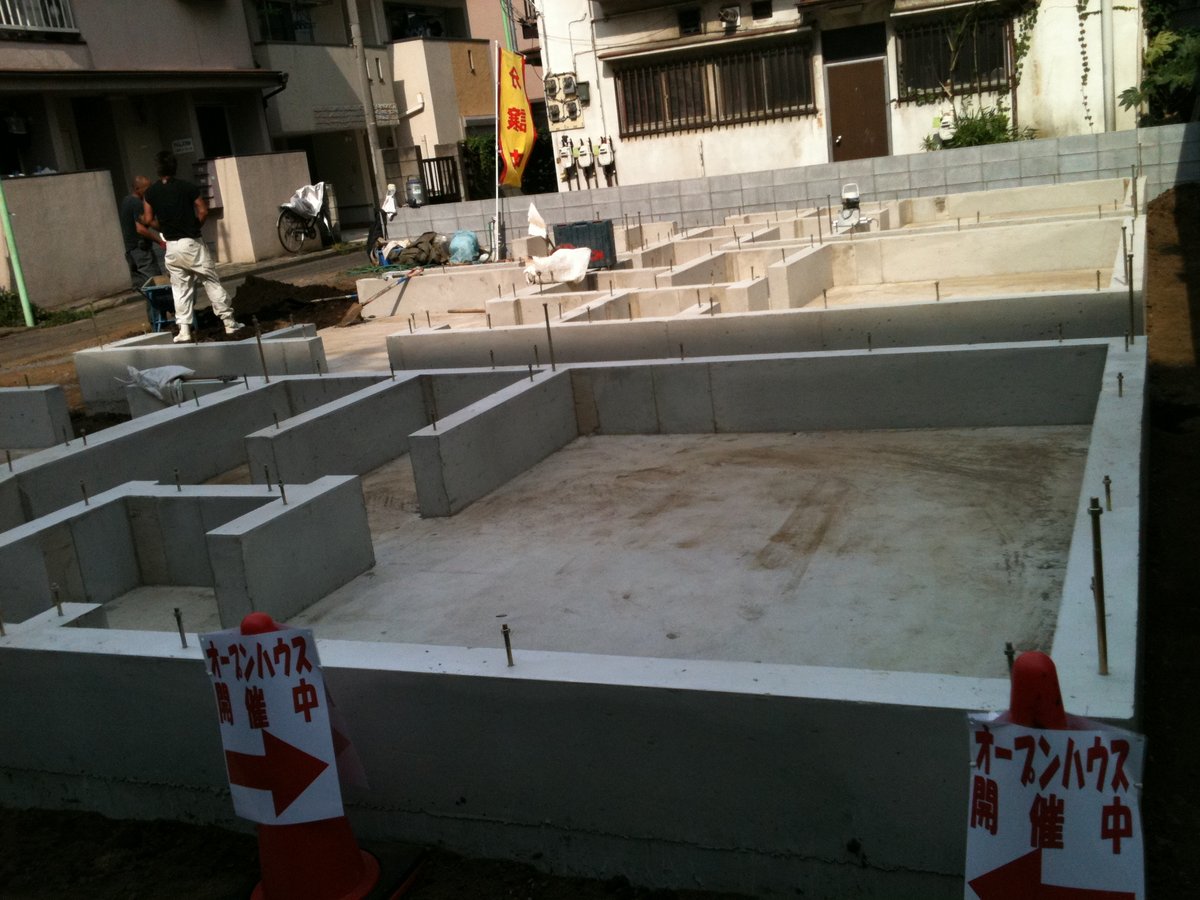
国土交通省によると、8月に新しく着工した住宅は6万3974戸で、前年同月より6.1%増加した。増加は5か月連続となる。
種類別に見ると、持ち家が1万7713戸で1.0%増、貸家が2万8309戸で6.5%増、分譲住宅が1万6838戸で6.4%増と、すべてで増加した。分譲住宅のうち、マンションは6475戸、一戸建ては1万182戸だった。
地域別では、近畿圏が12.3%増、中部圏が11.0%増、首都圏が9.2%増と、大都市のある地域で伸びが目立った。一方、それ以外の地域は2.0%減った。特に近畿圏では、分譲住宅が35.5%増加した。
低い水準からの回復
ただし、この増加には「前年の水準が低かった」という理由がある。令和7年度の住宅の着工は71万1171戸で、前年度より12.9%も減っていた。4月から8月までの5か月間の合計は31万7203戸で、前年の同じ時期より14.5%多い。
建築に関する基準が改正される直前に工事を始める例が集中し、その後に着工が大きく減った反動が出ていると見られる。比較の対象となる前年の数字が小さいため、増加率が大きく出やすいのだ。
実際、季節による変化をならし、1年分に直した数字は75万3千戸で、前月より2.7%減り、2か月連続で減った。月ごとの勢いは、むしろ弱くなっている。
住宅の建設は、家具や電気製品の買い物にもつながるため、景気を判断するうえで重要な目安とされる。回復が本物かどうかは、もう少し様子を見る必要がありそうだ。
Words in this article
The 38 words at JLPT N2 or above, and the specialist words that are on no JLPT list.
| Word | Reading | Meaning | JLPT |
|---|---|---|---|
| 前年同月比 | ぜんねんどうげつひ | year on year (compared with the same month last year) | Not on JLPT lists |
| 増 | ぞう | increase | Not on JLPT lists |
| 種類別 | しゅるいべつ | by type | Not on JLPT lists |
| 持ち家 | もちいえ | owner-occupied house | Not on JLPT lists |
| 貸家 | かしや | rental housing | N2 |
| 分譲住宅 | ぶんじょうじゅうたく | housing built for sale | Not on JLPT lists |
| マンション | condominium; apartment building | N2 | |
| 一戸建て | いっこだて | detached house | Not on JLPT lists |
| 地域別 | ちいきべつ | by region | Not on JLPT lists |
| 伸び | のび | growth | Not on JLPT lists |
| 目立った | めだった | stood out | N2 from 目立つ |
| それ以外 | それいがい | other than that | Not on JLPT lists |
| ただし | however | N2 | |
| 工事 | こうじ | construction work | N2 |
| 集中し | しゅうちゅうし | concentrating (and ...) | Not on JLPT lists |
| その後 | そのご | after that | Not on JLPT lists |
| 着工 | ちゃっこう | start of construction | N1 |
| 反動 | はんどう | reaction; rebound | Not on JLPT lists |
| 増加率 | ぞうかりつ | rate of increase | Not on JLPT lists |
| 出やすい | でやすい | tends to come out (large) | Not on JLPT lists |
| 減り | へり | decreasing (and ...) | Not on JLPT lists |
| 月ごと | つきごと | month by month | Not on JLPT lists |
| つながる | to lead to; to be connected | N2 | |
| もう少し | もうすこし | a little more | Not on JLPT lists |
| ありそうだ | seems there is | Not on JLPT lists | |
| 着工した | ちゃっこうした | started construction (from 着工する) | N1 from 着工 |
| 前年同月 | ぜんねんどうげつ | the same month of the previous year | Not on JLPT lists |
| 前年 | ぜんねん | the previous year | Not on JLPT lists |
| 前年度 | ぜんねんど | the previous fiscal year | Not on JLPT lists |
| 基準 | きじゅん | standard; code | N2 |
| 改正される | かいせいされる | to be revised (law, rule) | N2 from 改正 |
| 前月 | ぜんげつ | the previous month | Not on JLPT lists |
| 直前 | ちょくぜん | just before | N2 |
| なって | becoming (from なる) | Not on JLPT lists | |
| 目安 | めやす | yardstick; rough guide | N2 |
| 大都市 | だいとし | big city | Not on JLPT lists |
| 直した | なおした | converted (from 直す) | Not on JLPT lists |
| 電気製品 | でんきせいひん | electrical appliances | Not on JLPT lists |
77 more words from lower levels, plus names, numbers and grammar
| Word | Reading | Meaning | JLPT |
|---|---|---|---|
| 国土交通省 | こくどこうつうしょう | Ministry of Land, Infrastructure, Transport and Tourism | Name |
| によると | according to | Grammar | |
| 住宅 | じゅうたく | housing; homes | N3 |
| 6万3974戸 | ろくまんさんぜんきゅうひゃくななじゅうよんこ | 63,974 units | Number |
| 前 | まえ | previous | N5 |
| 増加 | ぞうか | increase | N3 |
| となる | becomes; makes | Grammar | |
| 見る | みる | to look at | N5 |
| 1万7713戸 | いちまんななせんななひゃくじゅうさんこ | 17,713 units | Number |
| 2万8309戸 | にまんはっせんさんびゃくきゅうこ | 28,309 units | Number |
| 1万6838戸 | いちまんろくせんはっぴゃくさんじゅうはちこ | 16,838 units | Number |
| すべて | all | N3 | |
| うち | of which; among | N4 | |
| 6475戸 | ろくせんよんひゃくななじゅうごこ | 6,475 units | Number |
| 1万182戸 | いちまんひゃくはちじゅうにこ | 10,182 units | Number |
| だった | was (plain past) | Grammar | |
| 近畿圏 | きんきけん | the Kinki (Osaka-Kyoto-Kobe) area | Name |
| 中部圏 | ちゅうぶけん | the Chubu (Nagoya) area | Name |
| 首都圏 | しゅとけん | the Greater Tokyo area | Name |
| 一方 | いっぽう | on the other hand | N3 |
| 地域 | ちいき | region | N3 |
| 低い | ひくい | low | N5 |
| 回復 | かいふく | recovery | N3 |
| ある | there is | N5 | |
| 令和7年度 | れいわななねんど | fiscal year Reiwa 7 (April 2025 to March 2026) | Number |
| 71万1171戸 | ななじゅういちまんせんひゃくななじゅういちこ | 711,171 units | Number |
| いた | had been (doing) | Grammar | |
| 建築 | けんちく | construction; building | N3 |
| に関する | にかんする | relating to; regarding | Grammar |
| 始める | はじめる | to start | N4 |
| 大きく | おおきく | greatly | N5 from 大きい |
| 出て | でて | appearing (from 出る) | N5 from 出る |
| いる | is (doing) | Grammar | |
| 見られる | みられる | is thought (to be) | N5 from 見る |
| 数字 | すうじ | figure; number | N3 |
| 小さい | ちいさい | small | N5 |
| のだ | it is that ... (explanatory) | Grammar | |
| 実際 | じっさい | in fact; actually | N3 |
| 季節 | きせつ | season | N4 |
| 75万3千戸 | ななじゅうごまんさんぜんこ | 753,000 units | Number |
| 勢い | いきおい | momentum; force | N3 |
| むしろ | rather; if anything | N3 | |
| 建設 | けんせつ | construction | N3 |
| 家具 | かぐ | furniture | N3 |
| ため | because | Grammar | |
| 景気 | けいき | the economy | N3 |
| うえ | in terms of (見るうえで = when looking at) | N5 | |
| 重要 | じゅうよう | important | N3 |
| とされる | is regarded as | Grammar | |
| 本物 | ほんもの | genuine; the real thing | N3 |
| かどうか | whether or not | Grammar | |
| 様子 | ようす | situation; how things are | N3 |
| 必要 | ひつよう | necessary | N4 |
| 家 | いえ | house | N5 |
| そうだ | I hear that ... | Grammar | |
| 特に | とくに | especially | N4 |
| 5か月間 | ごかげつかん | five months | Number |
| 合計 | ごうけい | total | N3 |
| 31万7203戸 | さんじゅういちまんななせんにひゃくさんこ | 317,203 units | Number |
| 多い | おおい | more; many | N5 |
| 増加した | ぞうかした | increased | N3 from 増加 |
| 水準 | すいじゅん | level | N3 |
| 比較 | ひかく | comparison | N3 |
| 対象 | たいしょう | object (of comparison) | N3 |
| 連続 | れんぞく | in a row | N3 |
| 判断する | はんだんする | to judge; to assess | N3 from 判断 |
| 低かった | ひくかった | was low | N5 from 低い |
| 減った | へった | decreased (from 減る) | N3 from 減る |
| 理由 | りゆう | reason | N4 |
| 減っていた | へっていた | had decreased (from 減る) | N3 from 減る |
| 例 | れい | case; example | N3 |
| 変化 | へんか | change; fluctuation | N3 |
| 弱く | よわく | weak (弱くなる = to weaken) | N5 from 弱い |
| 買い物 | かいもの | shopping; purchases | N5 |
| 新しく | あたらしく | newly (from 新しい) | N5 from 新しい |
| 同じ | おなじ | same | N5 |
| 時期 | じき | period; time of year | N3 |
Questions
Try answering in Japanese, then open the answer to check yourself. In the reader, your answers and score are saved.
- 8月に新しく着工した住宅は何戸で、前年同月と比べてどうでしたか。
Show answer
6万3974戸で、前年同月より6.1%増加しました。
63,974 homes, 6.1% more than in the same month a year earlier.
- 持ち家、貸家、分譲住宅のうち、増加率がいちばん大きかったのはどれですか。
Show answer
貸家です(6.5%増)。
Rental housing (+6.5%).
- 地域別では、どこで伸びが目立ちましたか。
Show answer
近畿圏(12.3%増)、中部圏(11.0%増)、首都圏(9.2%増)など、大都市のある地域です。
The big metropolitan areas: Kinki (+12.3%), Chubu (+11.0%) and Greater Tokyo (+9.2%).
- 令和7年度の住宅の着工は、どうなっていましたか。
Show answer
71万1171戸で、前年度より12.9%も減っていました。
711,171 homes, down 12.9% from the year before.
- 増加率が「大きく出やすい」のはなぜですか。
Show answer
比較の対象となる前年の数字が小さいからです。基準が改正される直前に着工が集中し、その後大きく減った反動です。
Because last year's comparison figure is small: starts rushed ahead of a change in the building code and then slumped.
- 1年分に直した数字からは、どんなことがわかりますか。
Show answer
75万3千戸で、前月より2.7%減り、2か月連続で減りました。月ごとの勢いは、むしろ弱くなっていることがわかります。
753,000, down 2.7% from the previous month, a second straight decline. Month to month, momentum is actually weakening.
- 住宅の建設が景気を見るうえで重要とされるのはなぜですか。あなたの考えも書いてください。
Example answer
家具や電気製品の買い物にもつながるからです。わたしも、家を建てる人が増えると、ほかの買い物も増えると思います。
Because it also leads to buying furniture and appliances. I also think more people building homes means more spending overall.
If you're new to Japanese, the Textbook teaches it step by step from zero. If you can't read kana yet, start with Starter.
Start from zero Lesson 1 (N5)More N2 reading
- 貨物だけを運ぶ道路――つくばで「自動物流道路」の実験 2026年10月29日
- 知られていない魚の魅力を広める――水産庁が4種類を選ぶ 2026年10月28日
- 3年以内の離職率、大学を出た人は31.2%に下がる 2026年10月27日
- 研修医、地方の病院を選ぶ人の割合が60.9%に 2026年10月26日
- 外国からの旅行者、9月は5.0%減の310万人 中国が減り、韓国は増加 2026年10月25日
- 車輪が外れる事故、128件に――冬のタイヤ交換に注意 2026年10月24日