Reading › N1 › 8月の消費者物価1.9%上昇 エネルギーと授業料が押し下げ、食料は高止まり
8月の消費者物価1.9%上昇 エネルギーと授業料が押し下げ、食料は高止まり
Written for learners with AI assistance, based on: 総務省統計局 · original source ↗
In the reader you can tap any word to see its reading, meaning and JLPT level, save the ones you don't know, and quiz yourself on them.
Open in the reader上昇率は依然2%を下回る水準で推移
総務省統計局が18日に公表した8月の全国消費者物価指数(2025年=100)は、総合指数が102.2となり、前年同月比で1.9%上昇した。上昇率は前月と同水準である。変動の大きい生鮮食品を除いた指数は102.0で1.7%の上昇、生鮮食品とエネルギーを除いた指数は102.5で1.9%の上昇だった。
1年前の2025年8月には、総合指数の上昇率は2.7%に達していた。その後、物価の伸びは緩やかに鈍化し、今年に入ってからは1%台で推移している。日本銀行が目標に掲げる2%を若干下回る水準である。
前月と比べた季節調整値で見ると、総合指数は横ばいだったが、生鮮食品を除く指数は0.1%、生鮮食品とエネルギーを除く指数は0.3%上昇した。物価の基調を示すとされる後者が前月比で上昇し続けている点は、見逃せない。
政策がエネルギーと教育を押し下げ
伸びを抑制している最大の要因はエネルギーである。エネルギー全体は前年同月比0.7%下落し、電気代が2.4%、ガソリンが2.6%それぞれ下がった。統計局の試算によると、ガソリンの暫定税率の廃止などの政策効果は、エネルギー分で総合指数を0.62ポイント押し下げている。
教育も物価を下押しした。私立高校の授業料は前年同月比で73.2%下落しており、総合指数への寄与度はマイナス0.15ポイントに及ぶ。家計の負担を直接軽減する政策が、統計上の物価にも明確に反映された形だ。
食卓の値上がりは依然として続く
他方、家計の実感に近い食料品の値上がりは依然として収まっていない。生鮮食品を除く食料は2.7%上昇し、菓子類は5.0%、飲料は6.0%上がった。品目別では、ポテトチップスが10.6%、緑茶が31.5%の上昇となった。
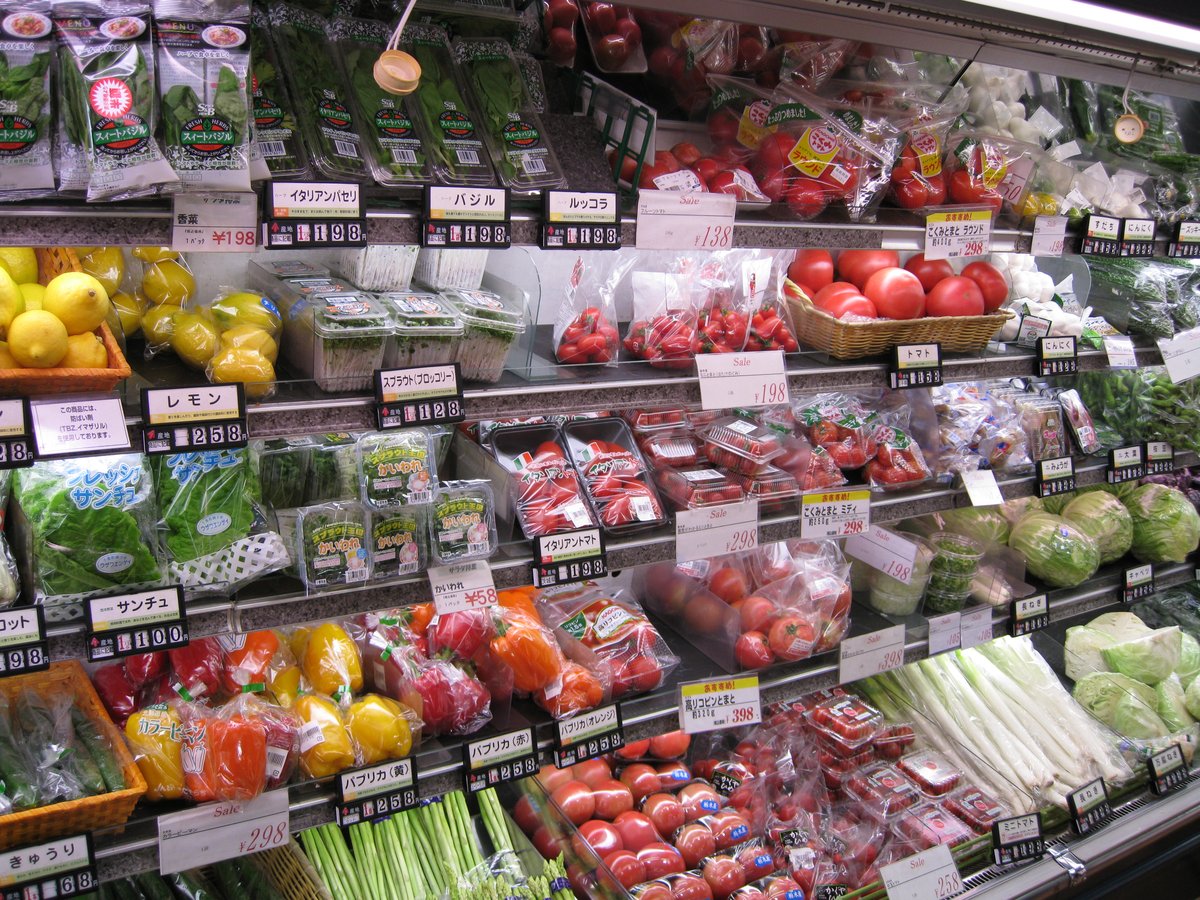
生鮮食品も高止まりしている。生鮮魚介は13.5%上昇し、なかでもまぐろは24.4%値上がりした。生鮮野菜は5.5%上がり、キャベツは45.0%もの上昇となった。外食では、すしが11.2%上がっている。日用品では、家事用消耗品が10.1%上がり、洗濯用洗剤は10.9%の値上がりとなった。通信関係では、携帯電話機が10.2%上がった一方、携帯電話の通信料は1.6%の上昇にとどまった。
つまり、物価全体の伸びが落ち着いて見える背景には、政策によって下がった品目の存在がある。日々の買い物で手に取る食品に限れば、値上がりの勢いはなお衰えていない。統計上の安定と生活実感とのずれをいかに認識するかが、今後の物価をめぐる議論の焦点となりそうだ。
Words in this article
The 88 words at JLPT N1 or above, and the specialist words that are on no JLPT list.
| Word | Reading | Meaning | JLPT |
|---|---|---|---|
| 上昇率 | じょうしょうりつ | rate of increase | Not on JLPT lists |
| 下回る | したまわる | to fall below | Not on JLPT lists |
| 推移 | すいい | trend; movement over time | Not on JLPT lists |
| 消費者物価指数 | しょうひしゃぶっかしすう | consumer price index (CPI) | Not on JLPT lists |
| 総合指数 | そうごうしすう | overall index (all items) | Not on JLPT lists |
| なり | becoming (and ...) | Not on JLPT lists | |
| 前年同月比 | ぜんねんどうげつひ | year on year | Not on JLPT lists |
| 上昇した | じょうしょうした | rose | N1 from 上昇 |
| 前月 | ぜんげつ | the previous month | Not on JLPT lists |
| 生鮮食品 | せいせんしょくひん | fresh food | Not on JLPT lists |
| 指数 | しすう | index | Not on JLPT lists |
| 上昇 | じょうしょう | rise | N1 |
| その後 | そのご | after that | Not on JLPT lists |
| 伸び | のび | growth; increase | Not on JLPT lists |
| 推移して | すいいして | moving; staying | Not on JLPT lists |
| 掲げる | かかげる | to set; to hold up | N1 |
| 政策 | せいさく | policy | N1 |
| 要因 | よういん | factor; cause | N1 |
| 下落し | げらくし | falling (and ...) | Not on JLPT lists |
| 電気代 | でんきだい | electricity charges | Not on JLPT lists |
| 試算 | しさん | trial calculation; estimate | Not on JLPT lists |
| 暫定税率 | ざんていぜいりつ | provisional (surcharge) tax rate | Not on JLPT lists |
| 廃止 | はいし | abolition | N1 |
| 押し下げて | おしさげて | pushing down | Not on JLPT lists |
| 下押しした | したおしした | pushed down; weighed on | Not on JLPT lists |
| 私立高校 | しりつこうこう | private high school | Not on JLPT lists |
| 授業料 | じゅぎょうりょう | tuition fees | Not on JLPT lists |
| 下落して | げらくして | falling | Not on JLPT lists |
| 寄与度 | きよど | contribution (to a change) | Not on JLPT lists |
| 家計 | かけい | household finances | N1 |
| 負担 | ふたん | burden | N1 |
| 統計上 | とうけいじょう | statistically; in the statistics | Not on JLPT lists |
| 値上がり | ねあがり | price rise | Not on JLPT lists |
| 依然として | いぜんとして | still | Not on JLPT lists |
| 上昇し | じょうしょうし | rising (and ...) | Not on JLPT lists |
| 菓子類 | かしるい | confectionery; sweets and snacks | Not on JLPT lists |
| 飲料 | いんりょう | beverages | Not on JLPT lists |
| 品目別 | ひんもくべつ | by item | Not on JLPT lists |
| ポテトチップス | potato chips; crisps | Not on JLPT lists | |
| 緑茶 | りょくちゃ | green tea | Not on JLPT lists |
| 生鮮魚介 | せいせんぎょかい | fresh fish and seafood | Not on JLPT lists |
| なかでも | among them; in particular | Not on JLPT lists | |
| まぐろ | tuna | Not on JLPT lists | |
| 値上がりした | ねあがりした | rose in price | Not on JLPT lists |
| 生鮮野菜 | せいせんやさい | fresh vegetables | Not on JLPT lists |
| 上がり | あがり | rising (and ...) | N1 |
| キャベツ | cabbage | Not on JLPT lists | |
| もの | as much as | Not on JLPT lists | |
| 外食 | がいしょく | eating out | Not on JLPT lists |
| すし | sushi | Not on JLPT lists | |
| 背景 | はいけい | background | N1 |
| よって | by (によって) | N1 | |
| 品目 | ひんもく | item | Not on JLPT lists |
| 限れば | かぎれば | if limited to | Not on JLPT lists |
| なお | still | N1 | |
| 衰えて | おとろえて | weakening (from 衰える) | N1 from 衰える |
| ずれ | gap; discrepancy | N1 | |
| なりそうだ | looks set to become | Not on JLPT lists | |
| なった | became | Not on JLPT lists | |
| 季節調整値 | きせつちょうせいち | seasonally adjusted figure | Not on JLPT lists |
| 横ばい | よこばい | flat; unchanged | Not on JLPT lists |
| 基調 | きちょう | underlying trend | Not on JLPT lists |
| 前月比 | ぜんげつひ | month on month | Not on JLPT lists |
| 見逃せない | みのがせない | cannot be overlooked | Not on JLPT lists |
| 家事用消耗品 | かじようしょうもうひん | household consumables | Not on JLPT lists |
| 洗濯用洗剤 | せんたくようせんざい | laundry detergent | Not on JLPT lists |
| 携帯電話機 | けいたいでんわき | mobile phone handsets | Not on JLPT lists |
| 携帯電話 | けいたいでんわ | mobile phone | Not on JLPT lists |
| 通信料 | つうしんりょう | communication charges | Not on JLPT lists |
| 依然 | いぜん | still; as before | N1 |
| 同水準 | どうすいじゅん | the same level | Not on JLPT lists |
| 変動 | へんどう | fluctuation | N1 |
| 緩やかに | ゆるやかに | gently; gradually | N1 from 緩やか |
| 鈍化し | どんかし | slowing down (and …) (from 鈍化する) | Not on JLPT lists |
| 若干 | じゃっかん | slightly; somewhat | N1 |
| 上昇し続けて | じょうしょうしつづけて | continuing to rise | Not on JLPT lists |
| 抑制して | よくせいして | holding down; curbing (from 抑制する) | N1 from 抑制 |
| 最大 | さいだい | the biggest | Not on JLPT lists |
| 及ぶ | およぶ | to reach; to amount to | N1 |
| 軽減する | けいげんする | to reduce; to lighten | N1 from 軽減 |
| 他方 | たほう | on the other hand | N1 |
| 収まって | おさまって | subsiding (from 収まる) | N1 from 収まる |
| 高止まりして | たかどまりして | staying high (from 高止まりする) | Not on JLPT lists |
| 日々 | ひび | daily; day-to-day | N1 |
| 生活実感 | せいかつじっかん | how life actually feels; lived experience | Not on JLPT lists |
| 認識する | にんしきする | to recognize; to understand | N1 from 認識 |
| いかに | how | N1 | |
| 押し下げ | おしさげ | pushing down (noun form of 押し下げる) | Not on JLPT lists |
78 more words from lower levels, plus names, numbers and grammar
| Word | Reading | Meaning | JLPT |
|---|---|---|---|
| 水準 | すいじゅん | level | N3 |
| 総務省統計局 | そうむしょうとうけいきょく | Statistics Bureau of Japan | Name |
| 公表した | こうひょうした | released; published | N2 from 公表 |
| 全国 | ぜんこく | nationwide | N3 |
| 除いた | のぞいた | excluding | N3 from 除く |
| エネルギー | energy | N3 | |
| だった | was | Grammar | |
| 1年前 | いちねんまえ | a year ago | Number |
| 達して | たっして | reaching (from 達する) | N3 from 達する |
| いた | had (been) | Grammar | |
| 物価 | ぶっか | prices | N3 |
| 今年 | ことし | this year | N5 |
| 入って | はいって | entering | N5 from 入る |
| から | since | Grammar | |
| 1%台 | いちパーセントだい | the 1 per cent range | Number |
| いる | is (doing) | Grammar | |
| 日本銀行 | にっぽんぎんこう | the Bank of Japan | Name |
| 目標 | もくひょう | target | N3 |
| 教育 | きょういく | education | N4 |
| 全体 | ぜんたい | as a whole | N3 |
| ガソリン | gasoline; petrol | N4 | |
| それぞれ | respectively | N3 | |
| 下がった | さがった | fell | N4 from 下がる |
| 統計局 | とうけいきょく | the Statistics Bureau | Name |
| によると | according to | Grammar | |
| など | and so on | Grammar | |
| 効果 | こうか | effect | N3 |
| 0.62ポイント | れいてんろくにポイント | 0.62 points | Number |
| おり | (formal) is ... and | Grammar | |
| マイナス | minus | N2 | |
| 0.15ポイント | れいてんいちごポイント | 0.15 points | Number |
| 直接 | ちょくせつ | directly | N3 |
| 形 | かたち | form (〜形だ = it has turned out that) | N4 |
| だ | is | Grammar | |
| 食卓 | しょくたく | dining table | N3 |
| 続く | つづく | to continue | N4 |
| 一方 | いっぽう | on the other hand | N3 |
| 実感 | じっかん | actual feeling; how it feels | N2 |
| 近い | ちかい | close | N5 |
| 食料品 | しょくりょうひん | food products | N4 |
| 食料 | しょくりょう | food | N3 |
| 上がった | あがった | rose | N4 from 上がる |
| となった | became; marked | Grammar | |
| 上がって | あがって | rising | N4 from 上がる |
| つまり | in other words | N3 | |
| 落ち着いて | おちついて | settled; calm | N2 from 落ち着く |
| 見える | みえる | to appear; to look | N4 |
| 存在 | そんざい | existence; presence | N3 |
| ある | there is | N5 | |
| 買い物 | かいもの | shopping | N5 |
| 手 | て | hand | N5 |
| 取る | とる | to take (手に取る = to pick up) | N5 |
| 食品 | しょくひん | food items | N3 |
| 勢い | いきおい | momentum | N3 |
| いない | is not (doing) | Grammar | |
| 上 | うえ | on (paper) | N5 |
| 安定 | あんてい | stability | N3 |
| 生活 | せいかつ | daily life | N4 |
| 今後 | こんご | from now on | N3 |
| めぐる | to concern; surrounding | N2 | |
| 議論 | ぎろん | debate; discussion | N3 |
| 焦点 | しょうてん | focus | N2 |
| 高校 | こうこう | high school | N4 |
| 除く | のぞく | to exclude | N3 |
| 比べた | くらべた | compared | N4 from 比べる |
| 見る | みる | to look at | N5 |
| 示す | しめす | to show | N3 |
| とされる | is said to; is regarded as | Grammar | |
| 後者 | こうしゃ | the latter | N3 |
| 点 | てん | point | N4 |
| 日用品 | にちようひん | daily necessities | N2 |
| 通信 | つうしん | communications | N3 |
| 関係 | かんけい | related (things) | N4 |
| とどまった | was limited to | N2 from とどまる | |
| 明確に | めいかくに | clearly | N3 from 明確 |
| 反映された | はんえいされた | was reflected | N2 from 反映 |
| である | is (formal written form) | Grammar | |
| 大きい | おおきい | large | N5 |
Questions
Try answering in Japanese, then open the answer to check yourself. In the reader, your answers and score are saved.
- 8月の総合指数の上昇率は何%で、1年前と比べてどう変わりましたか。
Show answer
前年同月比で1.9%上昇し、上昇率は前月と変わりませんでした。1年前の2025年8月は2.7%だったので、伸びは鈍っています。
Up 1.9% year on year, unchanged from July. A year earlier it was 2.7%, so inflation has slowed.
- 物価の伸びを抑えている要因として、本文では何が挙げられていますか。二つ答えなさい。
Show answer
エネルギー(前年同月比0.7%下落)と、教育(私立高校の授業料が73.2%下落)です。
Energy (down 0.7% year on year) and education (private high school tuition down 73.2%).
- ガソリンの暫定税率の廃止などの政策効果は、総合指数をどれだけ押し下げたとされていますか。
Show answer
エネルギー分で、総合指数を0.62ポイント押し下げたとされています。
By 0.62 point on the overall index, through energy.
- 私立高校の授業料の下落は、何を示していると筆者は述べていますか。
Show answer
家計の負担を直接軽減する政策が、統計上の物価にも明確に反映されたことを示していると述べています。
That policies directly easing household costs showed up clearly in the price statistics.
- 食料品の値上がりについて、具体的な品目を挙げて説明しなさい。
Show answer
生鮮食品を除く食料は2.7%上昇し、菓子類は5.0%、飲料は6.0%上がりました。ポテトチップスは10.6%、緑茶は31.5%、キャベツは45.0%上昇しました。
Food excluding fresh food rose 2.7%; sweets 5.0%, drinks 6.0%. Potato chips rose 10.6%, green tea 31.5%, cabbage 45.0%.
- 「数字の上の安定と、生活の実感との間のずれ」とは、どういうことですか。
Show answer
政策で下がった品目があるため、物価全体の伸びは落ち着いて見えますが、日々買う食品の値上がりは続いており、生活実感とは合わないということです。
Overall inflation looks calm because policy lowered some prices, but everyday food keeps rising, so the numbers don't match how life feels.
- 物価の統計と生活の実感がずれるとき、政策をどう評価すべきだと考えますか。あなたの意見を述べなさい。
Example answer
統計の数字だけでなく、食料品など毎日の生活に近い品目の値動きも見て、政策を評価すべきだと考えます。
Policy should be judged not only by the headline figure but also by everyday items such as food.
If you're new to Japanese, the Textbook teaches it step by step from zero. If you can't read kana yet, start with Starter.
Start from zero Lesson 1 (N5)More N1 reading
- 温暖化で降水量が20%前後増加 8~9月の記録的大雨を解析 2026年10月29日
- 賃上げ率4.4%で一服、格差は縮小 中小と組合のない企業で加速 2026年10月28日
- 基調の物価上昇、2.4%に加速 9月の消費者物価、総合は2.1%上昇 2026年10月27日
- 体力の向上、世代で明暗 40代女性は25年で6.4%低下 2026年10月26日
- 家計の物価実感、1年で16.2%上昇 収入は改善も「ゆとりがない」が半数以上 2026年10月25日
- 貿易赤字、5か月連続 輸出は半導体好調で13か月連続の増加 2026年10月24日